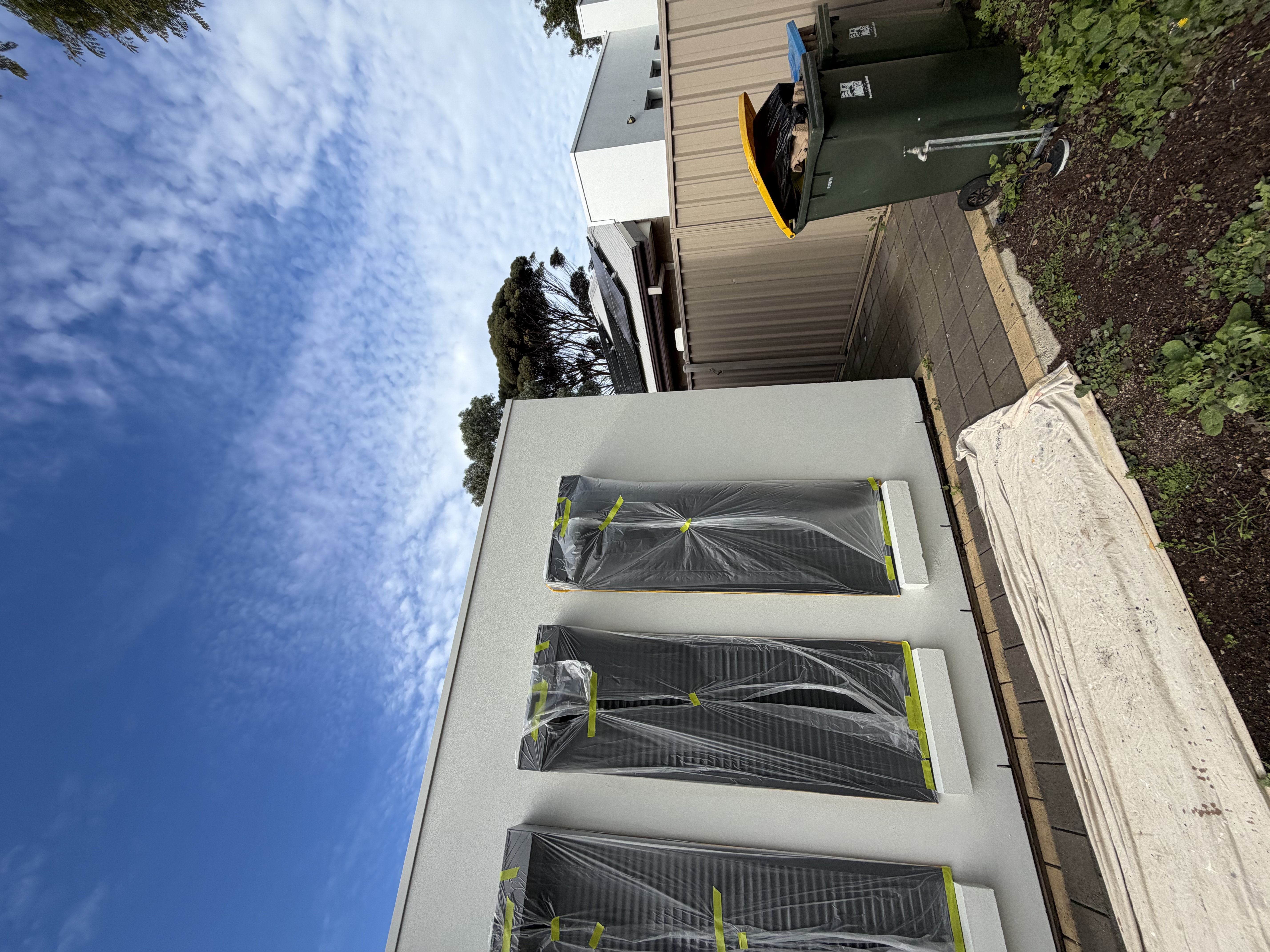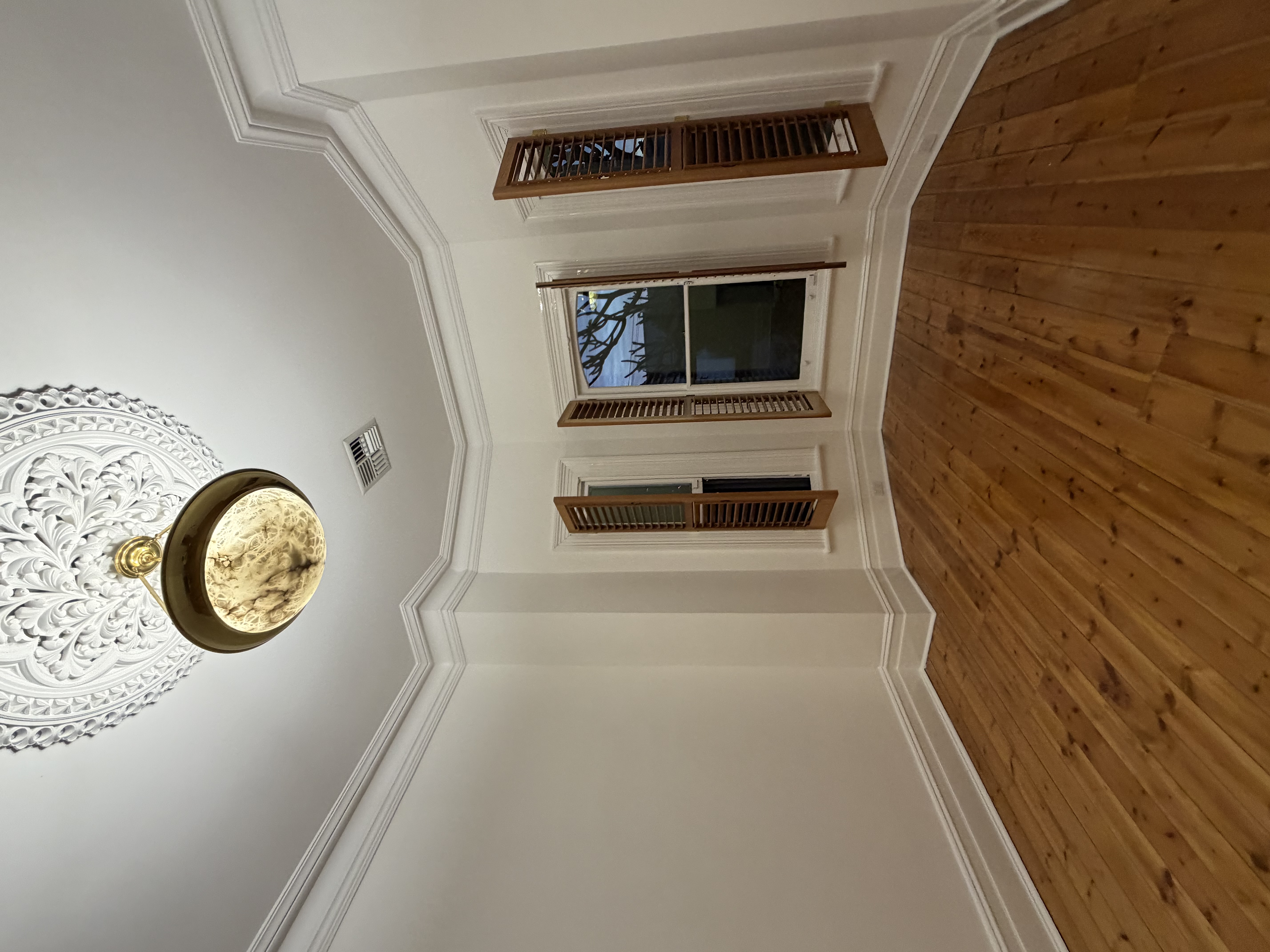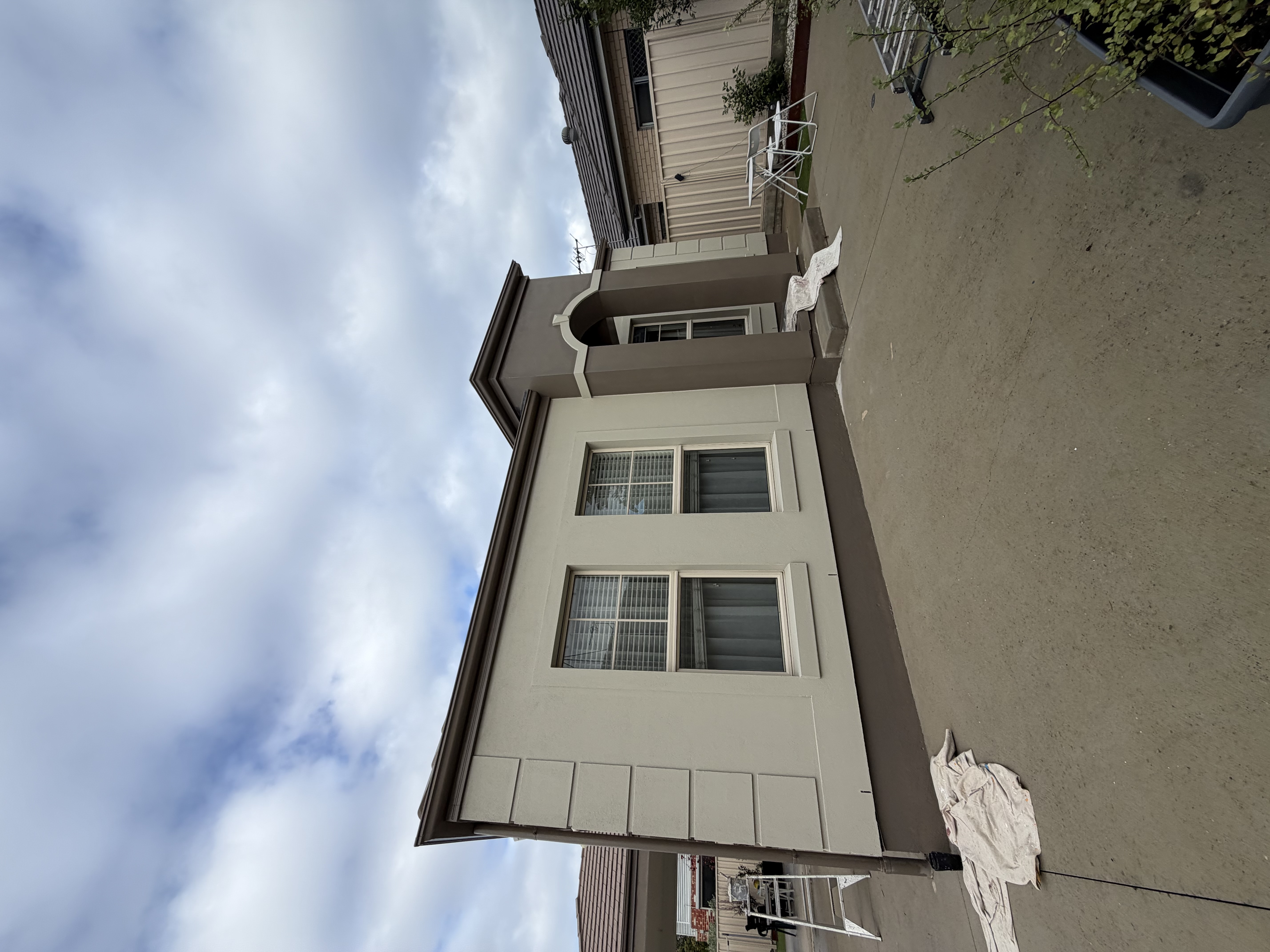
Two houses of similar size on the same street can be very different jobs. One needs a wash and two topcoats; the other needs scraping, timber repairs, rust treatment and priming before a brush touches it. Understanding what separates them is the difference between a repaint that lasts a decade and one that starts failing in year two.
Most exterior repaints take three to seven days. Here is what shapes the work, when to book it, and how to read a written quote properly.
The seven things that actually drive the job
1. Surface area, not floor area. A single-storey home with a long, narrow footprint has more wall than a compact double-storey with the same floor plan. Scope is built from wall area, eaves, fascia, gutters, windows, doors and any decorative elements.
2. Condition of the existing paint. This is the biggest swing factor by a distance. Sound paint needs a wash and topcoats. Widespread peeling needs scraping, sanding, feathering and priming — which can double the labour. See what good surface preparation changes for what that work involves.
3. Access and height. Two-storey walls, steep blocks, narrow side setbacks, established gardens and anything requiring scaffold or elevated work platforms all add time. Adelaide's Hills suburbs and older inner-suburb blocks with tight boundaries are frequent offenders.
4. Substrate. Render is generally faster than weatherboard. Face brick may need sealing. Fibre cement needs joint work. Each has its own system and its own preparation.
5. Repairs. Rotten boards, cracked render, rusted fascia, failed sealant around windows. These should be itemised in a written quote, not absorbed silently.
6. Colour change. Going from dark to light — or vice versa — often needs an extra coat. A same-colour refresh is a smaller job than a full change.
7. Paint specification. Premium exterior acrylics carry better UV packages and last meaningfully longer in Adelaide's sun. Labour is the bulk of any repaint, so economising on the coating is a false saving — it trades years of service life for very little.
Adelaide's climate is harder on paint than most of Australia
Two forces do the damage here.
UV. South Australia gets high UV loads and long, dry summers. UV breaks down the binder in paint, which is what causes fading and chalking. North and west elevations take the worst of it and will always show wear first — it is normal for a house to need attention on two elevations before the other two.
Salt. Coastal suburbs — Semaphore, West Lakes, Henley Beach, Grange, Glenelg, Brighton, Seacliff, Port Noarlunga — sit in a salt-laden airstream. Salt accelerates corrosion on metal components and must be washed off rather than painted over. Coatings rated for marine or coastal exposure earn their place within a few kilometres of the coast.
Thermal movement matters too. Adelaide's daily temperature swings expand and contract substrates, which is why flexible sealant at movement joints outlasts rigid filler.
How often should you repaint in Adelaide?
Don't wait for peeling. Repainting a chalked-but-intact surface is a far smaller job than repainting a failed one, because the preparation is a wash rather than a strip.
When to book: the Adelaide weather window
Exterior coatings want 10–35°C and humidity below about 85%. That rules out a good part of the calendar at both ends.
Spring (September–November) and autumn (March–May) are the best windows — stable temperatures, manageable humidity, low rain risk in autumn particularly. These are also the busiest periods, so book six to eight weeks ahead.
Summer works with early starts. The constraint is surface temperature, not air temperature: a north-facing wall in February can be far too hot to paint by mid-morning even if the forecast says 32°C. Good crews chase the shade around the house through the day.
Winter is workable between fronts but slower. Dew sits on surfaces well into the morning, drying times stretch, and rain risk means the schedule flexes. If you're not in a hurry, winter usually means better availability and shorter lead times.
What a complete exterior job includes
Use this as your comparison checklist when you have written quotes in front of you:
- Full pressure wash and mould treatment
- Scraping and sanding of all failed coating
- Filling, sealing and timber repairs (itemised)
- Rust treatment on metal components
- Priming of all bare, patched and chalked surfaces
- Two topcoats — confirm the primer isn't being counted as a coat
- Walls, eaves, fascia, gutters, downpipes, window frames, doors, garage door — confirm what's in and what's out
- Masking and protection of windows, pavers and gardens
- Clean-up and rubbish removal
- Written warranty period on workmanship
The surfaces line is the one people miss. "Exterior walls" and "exterior walls, eaves, fascia, gutters and all trim" are very different pieces of work, and quotes that look far apart are often just describing different scopes.
Colour, heat and heritage
Light exterior colours reflect solar radiation and keep the building envelope cooler — a real consideration for an Adelaide summer. Very dark walls in full northern sun run hot and can show fading faster.
If your property is in a heritage or character overlay — much of North Adelaide, Norwood, Unley, Prospect, Goodwood and parts of the Hills — check with your council before settling on a colour. Some overlays specify permitted palettes.
Test properly: buy sample pots, paint A4-sized patches on the actual wall, and look at them at 8am, midday and 5pm. Adelaide's light is bright and it will make a colour read two shades lighter outdoors than it did on the chip in the store.
How we scope an exterior repaint
Every quote is written for the property in front of us. We walk the elevations, check the condition of the existing coating, note the access and the repairs needed, then write a scope that names the preparation, the products, the coat count and the surfaces included — along with anything deliberately excluded. That way you can read it against anyone else's and see exactly where they differ.
Frequently asked questions
How long does exterior house painting take? Three to seven days for most homes, driven mainly by preparation and weather. Larger or heavily weathered properties take longer.
What is the best time of year to paint a house in Adelaide? Spring and autumn. Temperatures sit comfortably within the 10–35°C application range, humidity is moderate, and there is less risk of rain interrupting curing.
Do I need to be home during the job? No. Exterior work needs access to the perimeter, water and power, but you can carry on as normal or be away entirely. Let the crew know about pets, gate codes and any areas to avoid.
How many coats of paint does an exterior need? Two topcoats over appropriate primer. One coat over a sound, same-colour surface is sometimes offered as a refresh, but it will not last as long — make sure you know which you are being quoted.
Can you quote from photos? Photos let us tell you what is likely involved and what questions matter. A firm written scope needs a site visit, because condition and access are hard to judge from images alone.
Is winter a bad time to paint? Not bad — slower. Work happens between fronts, drying times stretch and the schedule needs flexibility. The trade-off is shorter lead times.
Do painters in South Australia need a licence? Building work contractors in SA are licensed through Consumer and Business Services. Ask for the licence number and check public liability cover before you engage anyone.
Working out your scope? Here's exactly what to send us for an accurate quote — and if the roof is part of the plan, how roof painting works.