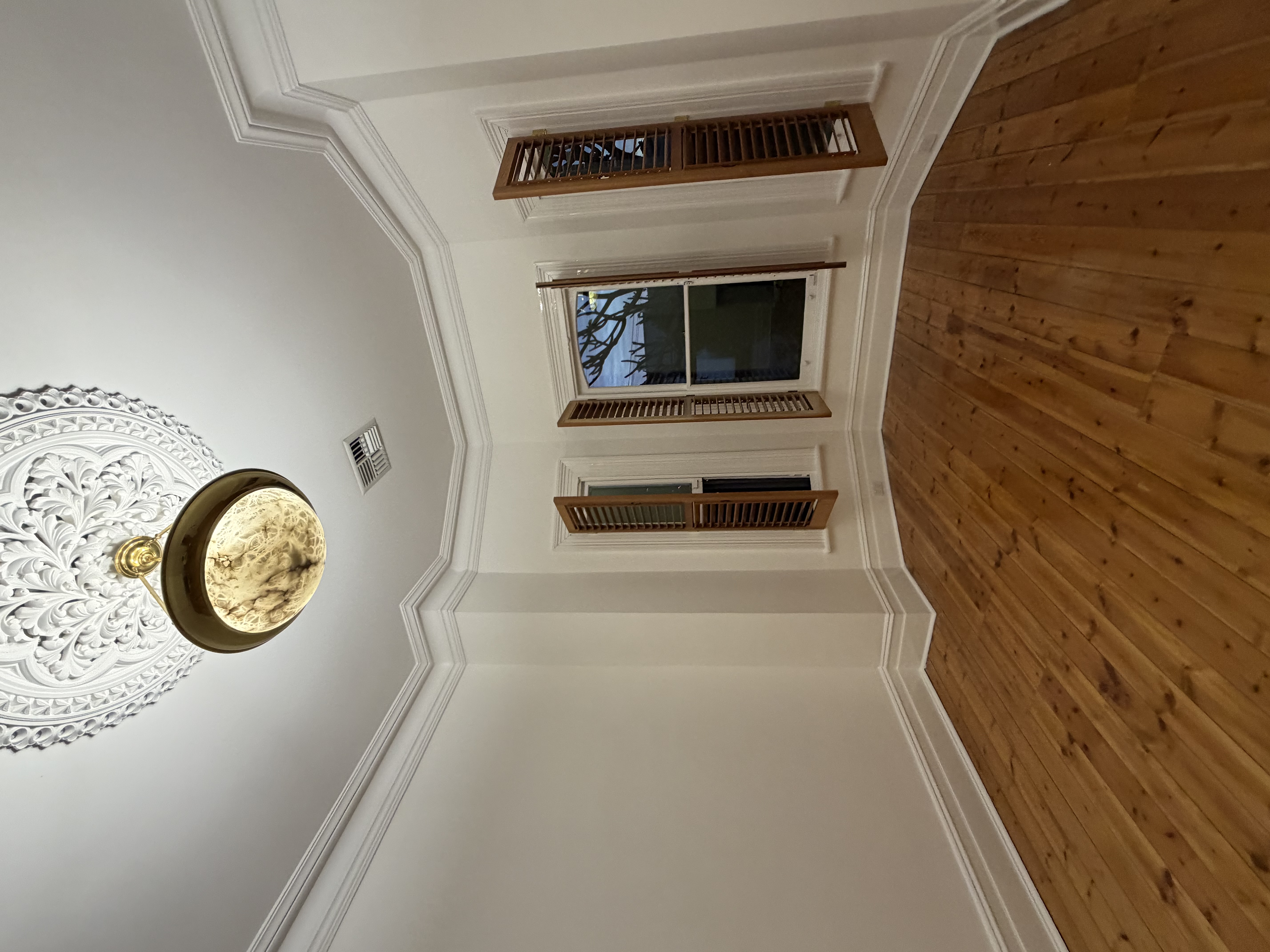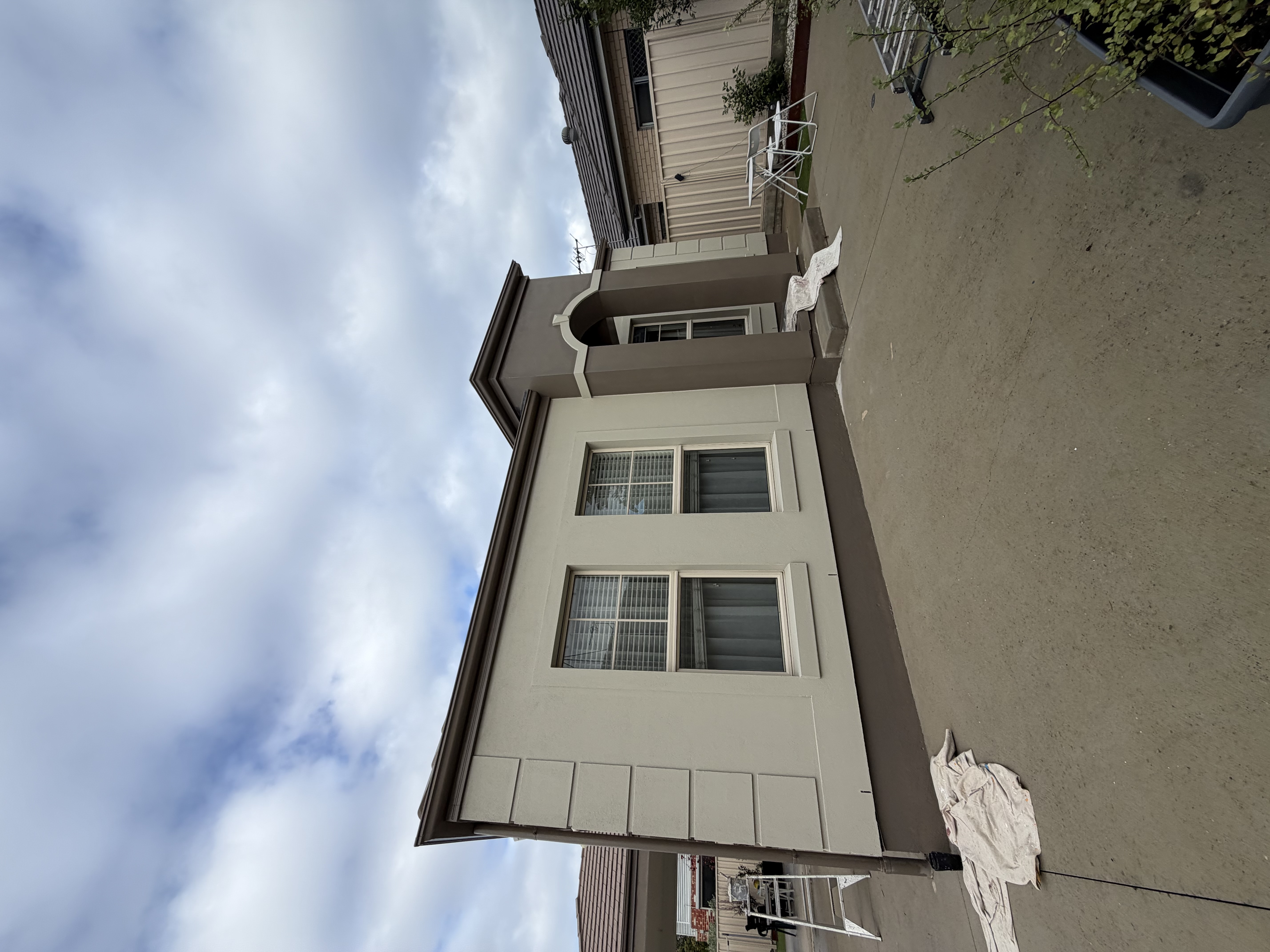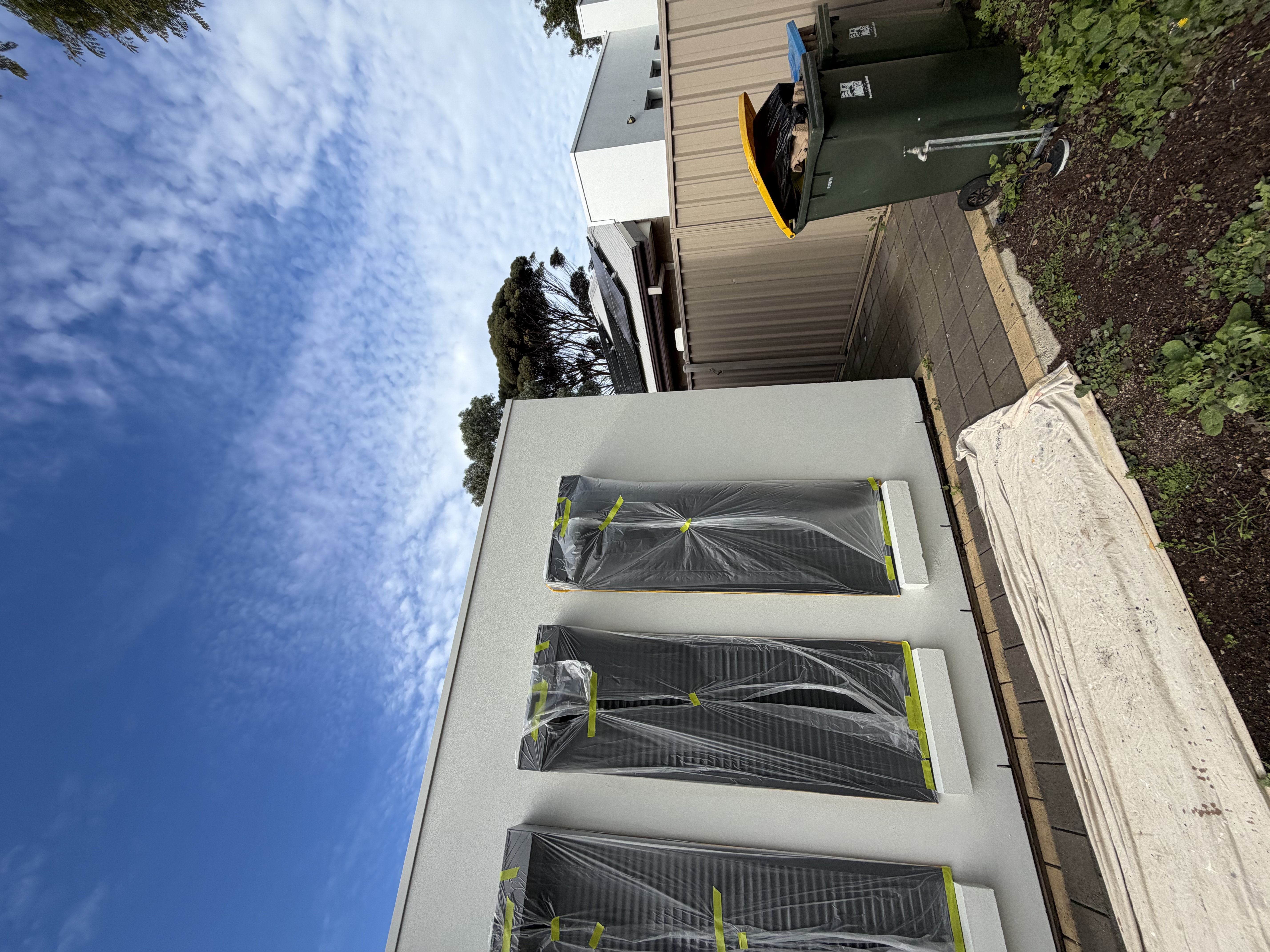
The fastest way to an accurate painting or roof quote is to send eight things: the property address, number of storeys, what the surfaces are made of, a room-by-room or elevation-by-elevation scope, photos of the worst areas, whether you're changing colour, your timing, and whether the property will be occupied. With those, a contractor can tell you what the work involves and what still needs checking on site.
Without them, you get a vague answer that changes on inspection — which is exactly what makes comparing quotes so frustrating.
The eight things to send
1. Address and access. The suburb tells a contractor about likely substrate, salt exposure and council overlays. Access details matter as much: side setback width, steep driveway, retaining walls, established gardens, gates, parking. Access is one of the biggest hidden variables and the easiest thing to forget to mention.
2. Storeys and heights. Single, double, split-level, raked ceilings, stairwell voids. Anything requiring scaffold or an elevated work platform changes both the scope and the schedule.
3. Substrate. What are the walls actually made of — render, face brick, weatherboard, fibre cement, Hebel? What's the roof — concrete tile, terracotta, Colorbond? If you're unsure, a photo answers it instantly.
4. Scope, listed plainly. Don't write "the house." Write it out:
- Interior: which rooms, and whether walls only, or walls plus ceilings, trim and doors
- Exterior: walls, eaves, fascia, gutters, downpipes, windows, doors, garage door, pergola, fence
- Roof: clean only, clean plus paint, or clean plus minor repairs plus paint
The gap between "exterior walls" and "exterior walls, eaves, fascia, gutters and all trim" is one of the main reasons quotes look so different from each other.
5. Photos of the worst areas — not the best. This is the one most people get backwards. Nobody needs a hero shot of your front elevation. Send the peeling section, the rusted fascia, the water stain on the ceiling, the mossy roof valley, the rotten weatherboard. Condition drives the work, and photographing the problems gets you a scope that won't be revised on inspection.
6. Colour intentions. Same colour refresh, or a change? Dark to light? Have you already chosen, or do you need help? Colour changes can require an additional coat.
7. Timing. When do you want it done, and is the date firm? Settlement dates, a rental changeover, an event, a listing date — say so. It affects whether a contractor can realistically take the job.
8. Occupied or vacant. Whether people, pets, tenants or a working business will be on site changes staging, product choice and hours. For commercial properties, state your access windows up front.
Also flag: strata or body corporate approval requirements, heritage or character overlay status, solar panels, rainwater tanks, and any known asbestos.
Photos that actually help
Five to fifteen photos beat a paragraph of description.
- One wide shot per elevation, and one of the full roof if roof work is involved
- Close-ups of every problem area — peeling, cracking, rust, mould, water stains, rot
- The access route: side path, gates, driveway
- Anything unusual: decorative plasterwork, pressed metal ceilings, a pergola, a feature wall
- For roofs, a photo taken from an upstairs window or across the street will do — do not climb onto a roof to take a photo
Well-lit, daytime, and not zoomed in so far that context is lost.
What a good quote should contain
When quotes come back, they should all be readable against each other. A quote worth trusting includes:
- Itemised scope — what's included, surface by surface
- The preparation specification — washing method, scraping, sanding, filling, rust and mould treatment, priming
- Paint brand, product and finish, per surface
- Number of coats, and explicit confirmation of whether primer counts as one
- Named exclusions — what is not included
- Estimated duration and a start window
- Licence number and public liability insurance details
- Whether the price includes GST
- Payment schedule — deposit, progress, final
- Workmanship warranty period
If a quote is one line and a number, ask for the breakdown. Any established contractor will provide it, and a reluctance to itemise is information in itself.
Comparing quotes fairly
Line them up on the things that vary, not just the total:
A quote that comes in well under the others is often quoting a smaller job. That is not dishonest — but it is not comparable either, until you have normalised for scope.
Red flags
- No written scope. Verbal agreements with tradespeople end badly for everyone.
- A large upfront deposit. A modest deposit for materials is normal. Most of the money should be tied to work completed.
- Cash-only pressure or "today only" discounts. Legitimate businesses don't need urgency tactics.
- No licence number, no insurance details. Ask for both. Verify them.
- "Full prep" with no specifics. The phrase means nothing on its own.
- A number given without seeing the property or photos. It will change.
- Reluctance to visit the property for a job of any size.
The South Australian specifics
Licensing. Building work contractors in South Australia are licensed through Consumer and Business Services (CBS). Ask for the licence number and check it. Ask for a certificate of currency for public liability insurance too.
Written contracts. Domestic building work above the threshold set in the Building Work Contractors Act must be under a written contract that sets out all terms, names the contractor's business and licence number, and is signed by both parties. The threshold was raised in November 2025 — CBS publishes the current figure, and any licensed contractor will tell you whether your job falls above or below it.
Building indemnity insurance. Required for domestic building work above that same threshold where development approval is needed. It protects the owner if the contractor becomes insolvent, dies or disappears.
Most straightforward repaints sit below the threshold — but a written scope of works is worth having regardless of what the law requires, purely so both sides agree on what was bought.
What we'll send you back
At Fusion, a quote is written as a scope you can compare: preparation spelled out step by step, products and coat counts named, surfaces listed individually, exclusions stated plainly, and an honest note if we think part of the job belongs to another trade.
Every property is different, so every quote is prepared individually for that property — we don't work from a standard rate card, because access, condition and substrate change the work too much for one to be meaningful. We service Adelaide and the surrounding suburbs for interior and exterior painting, residential and commercial, and roof care including cleaning, painting, and minor patching and repairs.
If your roof turns out to need structural work or re-roofing, we'll say so rather than coat over it.
Frequently asked questions
Do I need to be home for a quote? For exterior and roof work, often not — access to the perimeter is usually enough. For interiors, yes, so we can see the rooms and discuss finishes.
How long does a quote take? Typically two to five business days after the site visit for a detailed written scope.
Are quotes free? Standard painting and roof quotes are free. Detailed colour consultation or specification work for large commercial projects may be arranged separately.
Can you quote over the phone or from photos? Photos let us tell you what the work is likely to involve and what we still need to check. A firm written quote needs a site visit — condition and access are difficult to judge from images alone.
How many quotes should I get? Three is the usual advice, and it works — provided you compare scope, not just the number at the bottom.
Should I choose the cheapest quote? Only after confirming it covers the same work. Large differences almost always reflect a difference in preparation, coat count or included surfaces rather than a bargain.
How far ahead should I book? Spring and autumn are the peak windows for exterior work in Adelaide — book six to eight weeks ahead. Interior work and winter exterior work generally have shorter lead times.
Do you quote commercial work? Yes. Send your access windows, site induction requirements and scope, and we'll build the program around your trading hours.
Related reading: what good surface preparation changes · what drives an exterior repaint in Adelaide · how roof painting works